What if the sound of your favourite childhood music class was actually one specific instrument, and you never knew its name?
That bright, twinkly, bell-like sound drifting out of nearly every Australian primary school music room is almost certainly a glockenspiel. It is the instrument kids bang away at with little mallets, the one that turns Hot Cross Buns into something oddly magical, and the one most adults could not actually name if you asked them directly.
So what is it, really? How is it different from a xylophone? And could you, as a total beginner, actually learn to play one? Let us get into it.
What Is a Glockenspiel, Exactly?
Ever wondered what makes that shimmering, bell-like tone so instantly recognisable?
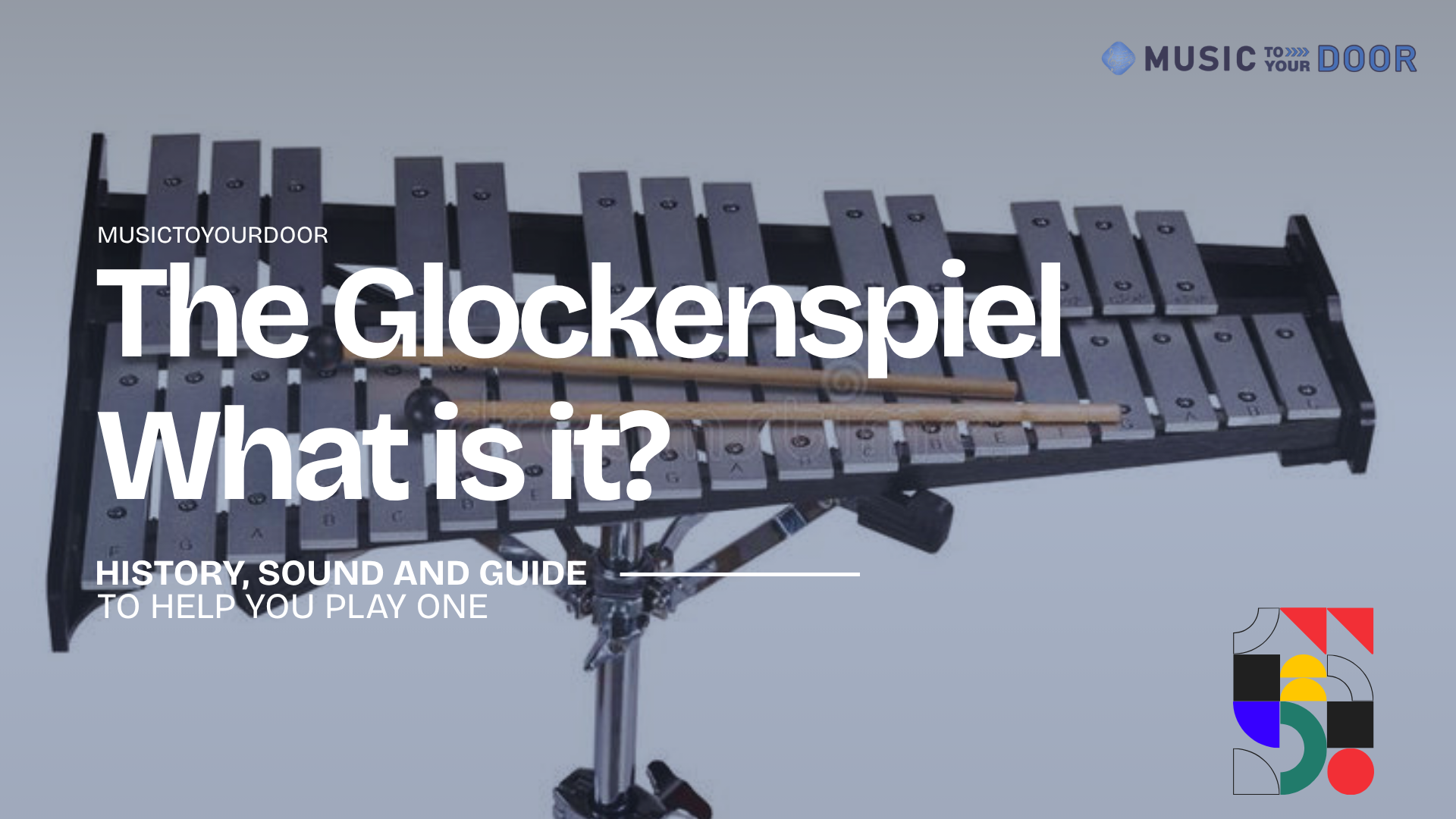
A glockenspiel is a percussion instrument made up of tuned metal bars arranged like a piano keyboard, played by striking the bars with a mallet. Each bar produces a bright, ringing tone, and because the bars are metal rather than wood, the sound sustains and shimmers far longer than you might expect.
It belongs to the idiophone family, meaning the instrument itself vibrates to create sound, with no strings or air columns involved. Simple in design. Surprisingly rich in tone.
The Anatomy of a Glockenspiel: Bars, Frame, and Mallets
Curious what is actually happening when you strike one of those bars?
A glockenspiel consists of three main parts:
- Metal bars, usually made from steel or aluminium alloy, each cut to a precise length to produce a specific pitch
- A frame, which holds the bars in place while allowing them to resonate freely
- Mallets, typically with hard plastic, rubber, or brass heads, chosen depending on how bright or mellow you want the tone
Shorter bars produce higher notes. Longer bars produce lower ones. It is the same basic principle behind almost every tuned percussion instrument, from a xylophone to a marimba.
Where Does the Name "Glockenspiel" Come From?
Assume the name is just a fancy way of saying "bells"? You are not far off.
The word glockenspiel comes directly from German, combining Glocke (bell) and Spiel (play), roughly translating to "bell play" or "play of bells." That name makes perfect sense once you hear one in action, since the tone genuinely does resemble a set of small, precisely tuned bells.
Glockenspiel vs Xylophone: What's Actually the Difference?
Standing in a music shop, staring at two nearly identical-looking instruments, and unsure which one you actually need?
This confusion is incredibly common, and honestly, understandable. Visually, a glockenspiel and a xylophone look almost the same. The real difference comes down to one simple factor.
Metal Bars vs Wooden Bars: Why It Changes the Sound
Not sure why one instrument sounds bright and bell-like while the other sounds warm and woody?
- A glockenspiel has metal bars, producing a bright, ringing, sustained tone
- A xylophone has wooden bars, producing a sharper, more percussive, quickly-fading tone
Both instruments are played the same way, with mallets striking bars arranged like a keyboard. The material is genuinely the entire difference, yet it completely changes the character of the sound. A glockenspiel sparkles. A xylophone clicks and snaps.
Is a Glockenspiel the Same as a Metallophone?
Assume a metallophone is just another name for the same instrument? Not quite.
A metallophone is a broader term for any tuned percussion instrument with metal bars, which technically includes the glockenspiel. In Orff-based music education, however, "metallophone" usually refers specifically to a larger, deeper-toned instrument, while "glockenspiel" refers to a smaller, higher-pitched version. Think of the glockenspiel as the metallophone's brighter, more compact cousin.
Why the Glockenspiel Is a Staple in Australian Classrooms
Ever noticed how nearly every Australian primary school seems to own at least one of these?
There is a genuine educational reason behind that, rooted in a teaching method used across the country for decades.
The Orff Approach and Why Schools Love It
Wondering why this particular instrument, out of all the options available, became the classroom default?
The glockenspiel is a core instrument in the Orff Schulwerk approach, a music education method developed by German composer Carl Orff that emphasises hands-on, playful learning through rhythm, movement, and simple melodic instruments. Australian music teachers have leaned on this approach for generations, using glockenspiels alongside xylophones and metallophones to teach pitch, rhythm, and ensemble playing without requiring years of formal training first.
Songs like Kookaburra Sits in the Old Gum Tree remain classroom favourites specifically because they translate so naturally onto a glockenspiel's simple bar layout.
The Developmental Benefits for Kids
Assume this is just a toy that makes a pleasant noise? There is more going on than that.
Playing a glockenspiel genuinely supports:
- Fine motor skill development, through controlled mallet striking
- Pitch recognition and ear training, since students hear immediate feedback from each note
- Hand-eye coordination, particularly when playing with both hands
- Early rhythm and timing skills, which transfer directly to other instruments later on
That combination of simplicity and genuine developmental value is exactly why the glockenspiel has stuck around in Australian classrooms for so long.
Chromatic vs Diatonic Glockenspiels: Which One Do You Need?
Looking at product listings and confused by terms like "chromatic" and "diatonic"?
This distinction matters more than most beginners realise, and it directly affects what music you can actually play.
Understanding Diatonic (Natural Note) Glockenspiels
Wondering why some glockenspiels only have white-looking bars and no black ones?
A diatonic glockenspiel includes only the natural notes of a major scale, similar to the white keys on a piano. This is the standard setup for most classroom and beginner instruments, and it is genuinely all you need for early songs like Twinkle Twinkle Little Star or Mary Had a Little Lamb.
When a Chromatic Glockenspiel Is Worth the Upgrade
Ready to move beyond simple nursery tunes and wondering what comes next?
A chromatic glockenspiel adds the sharps and flats, similar to the black keys on a piano, giving you the full range of notes needed for more complex melodies. If you or your child progress past beginner songs and want to play more varied music, upgrading to a chromatic model opens up considerably more musical flexibility.
How to Choose the Best Glockenspiel for Beginners
Ready to actually buy one, but overwhelmed by the range of options available?
Choosing the right glockenspiel comes down to a few practical considerations, rather than chasing the most expensive option on the shelf.
Number of Bars: 12-Note vs 25-Note vs Full Range
Not sure how many notes you actually need for a genuine beginner?
- A 12-note glockenspiel is a solid, simple starting point for very young children or absolute beginners
- A 25-note glockenspiel, often including a full chromatic scale, suits slightly older kids or beginners wanting more range from the start
- Larger, full-range instruments are typically reserved for advanced or concert use
For most beginners in Australia, a 12 to 25-note diatonic or chromatic model strikes the right balance between simplicity and room to grow.
Buying for a Classroom vs Buying for Home Use
Torn between a sturdy school-grade option and something simpler for home?
Classroom glockenspiels tend to prioritise durability, since they survive years of enthusiastic (and occasionally rough) young hands. Home models can afford to prioritise portability and price instead, often coming in a compact carry case that suits a child's bedroom or a family lounge room without taking up much space.
How to Play the Glockenspiel: A Beginner's Starting Point
Holding a mallet for the first time and genuinely unsure where to even begin?
The glockenspiel is refreshingly forgiving for beginners, which is exactly why it works so well in classrooms full of complete novices.
Correct Mallet Grip and Striking Technique
Wondering why your notes sound harsh or muted compared to a teacher's demonstration?
Hold the mallet loosely between your thumb and fingers, letting your wrist do most of the work rather than your whole arm. Strike each bar in the centre, then let the mallet bounce naturally off the bar rather than pressing down. That slight bounce is what produces a clean, ringing tone instead of a dull thud.
Easy Glockenspiel Songs to Start With
Wondering what you can actually play on your very first attempt?
Because most beginner glockenspiels are diatonic, simple melodies come together quickly. Popular first songs for Australian beginners include:
- Hot Cross Buns
- Mary Had a Little Lamb
- Twinkle Twinkle Little Star
- Kookaburra Sits in the Old Gum Tree
Most of these only require three or four notes, making them an ideal confidence-builder before moving on to anything more complex.
Frequently Asked Questions About the Glockenspiel
Is a glockenspiel easy to learn? Yes. Its simple bar layout and immediate note feedback make it one of the most beginner-friendly instruments available, which is exactly why it is used so widely in Australian schools.
What age is a glockenspiel suitable for? Most glockenspiels are marketed from around age three upward, though the instrument remains genuinely enjoyable for older children and adults alike.
How much does a beginner glockenspiel cost in Australia? Entry-level 12 to 25-note models typically range from affordable classroom-style options through to slightly higher-priced chromatic versions, depending on build quality and note range.
Do I need to read music to play the glockenspiel? No. Many beginner resources use simple letter-based notation rather than traditional sheet music, making it accessible even without formal training.
Final Thoughts: Is the Glockenspiel Worth Learning?
So, back to that opening question. Could that familiar classroom sound actually be worth learning properly?
Absolutely. The glockenspiel remains one of the most approachable instruments around, rewarding beginners with real melodies almost immediately, while still offering genuine room to grow through chromatic playing and more advanced repertoire. Whether you are a parent choosing a first instrument for a curious child, or an adult rediscovering that familiar bell-like sound from your own school days, the glockenspiel offers a simple, satisfying way back into music.