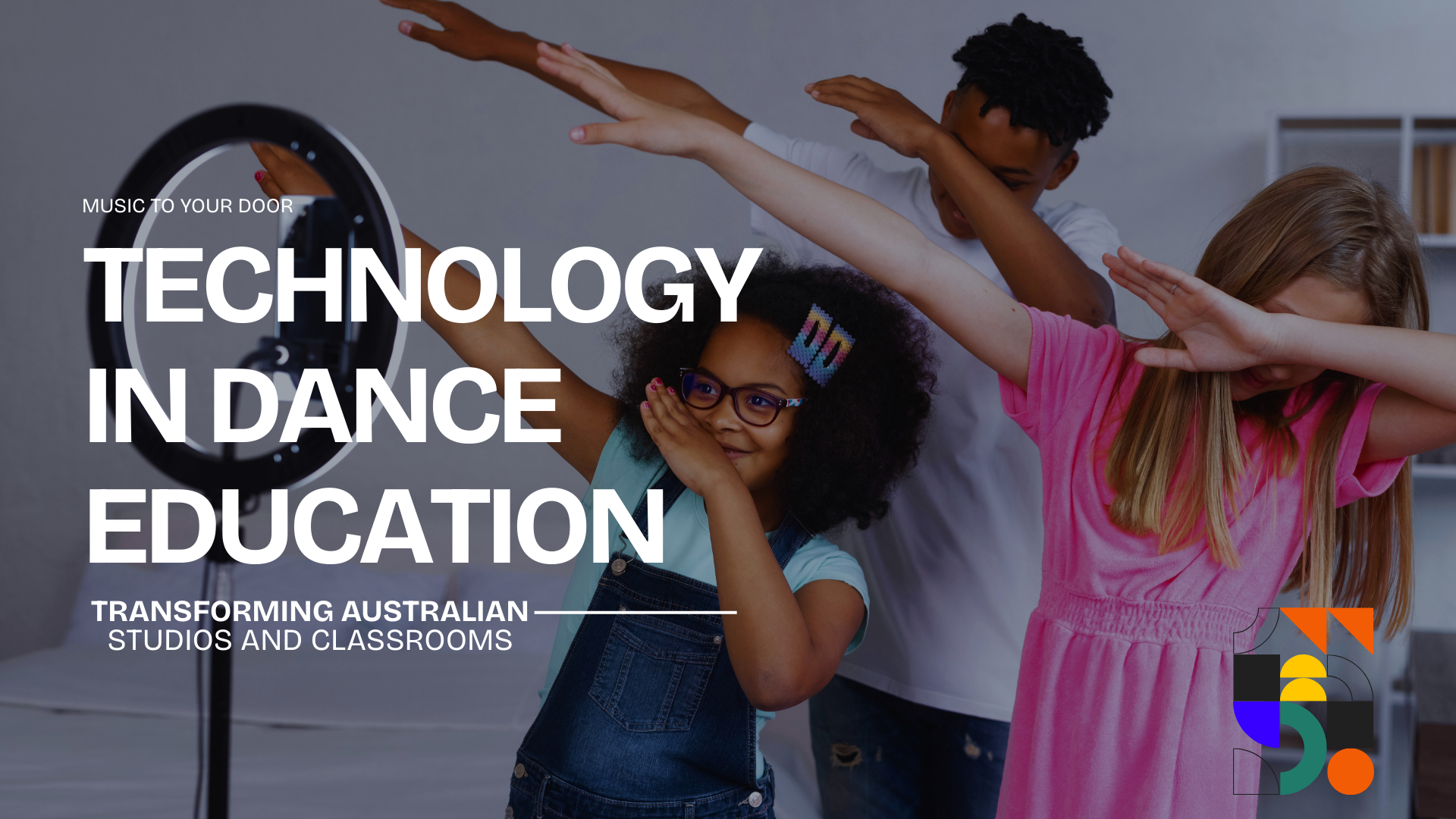
Have you ever wondered how a dancer in remote Outback Australia could train alongside pros from Sydney without leaving home? That's the magic of technology in dance education. In this article, we'll dive into how digital innovations are reshaping the way Aussies learn and teach dance. From virtual reality setups to AI-driven choreography, these tools make dance more accessible and fun for everyone. Whether you're a teacher in Melbourne or a student in Perth, get ready to see how tech is stepping up the rhythm in our studios.
Introduction to Technology in Dance Education
What if your next dance lesson felt like stepping into a global stage? Technology in dance education is making that possible right here in Australia. It's not just about gadgets—it's about opening doors for dancers everywhere. Think about kids in regional towns who once missed out on top training. Now, with online platforms, they connect with experts from the Sydney Dance Company. This shift boosts creativity and skills, especially in our vast country where distance is a big hurdle.
Why Technology Matters in Modern Dance Learning
Ever felt stuck in old-school dance routines? Modern technology in dance education breaks those barriers. It makes learning interactive and personalised. For instance, in Brisbane classrooms, teachers use apps to track progress in real time. This means faster improvements and more fun. Plus, it helps with inclusivity—dancers with disabilities can join in through adaptive tools. In Australia, where we value fair go, this tech ensures no one gets left behind in the dance world.
Overview of Digital Tools Shaping Dance Education Today
Curious about the gadgets revolutionising dance? Let's break it down. Digital dance tools like video analysis software let instructors review moves frame by frame. Apps for education, such as those from Ausdance, offer tutorials on the go. Then there's immersive dance learning via headsets that simulate performances. These aren't sci-fi—they're in use at places like the Australian Ballet School. By blending tech with tradition, we're creating hybrid environments that suit our Aussie lifestyle.
The Evolution of Digital Dance Tools in Australia
How did we go from chalkboards to virtual stages in dance? The journey of technology in dance education in Australia is a tale of innovation. It started with simple videos in the 90s. Now, it's all about interactive platforms. Picture a dancer in Adelaide using apps that connect her to global peers. This evolution tackles our unique challenges, like isolation in rural areas, making dance a shared national passion.
From Traditional Methods to Immersive Dance Learning
Remember when dance meant dusty studios and mirrors? Traditional ways worked, but they limited reach. Enter immersive dance learning. In Tasmania, schools now use VR to explore historical dances virtually. It's like time travel with beats. This shift from old to new keeps traditions alive while adding excitement. Aussie educators love it because it fits our outdoor-loving culture—learn indoors, perform anywhere.
Key Milestones in Australian Dance Technology Adoption
What sparked the tech boom in our dance scenes? Key moments include the 2010s rise of online dance classes during bushfires. Institutions like Queensland Ballet embraced digital tools to keep classes going. Then, post-pandemic, AI choreography tools exploded. A case study: Sydney's Bangarra Dance Theatre integrated motion capture for cultural storytelling. These milestones show how technology in dance education adapts to our resilient spirit.
Virtual Reality and Augmented Reality in Dance Training
Imagine slipping on a headset and dancing in the Sydney Opera House—from your lounge room? VR and AR are game-changers in technology in dance education. They create worlds where practice feels real. For Australian dancers facing long distances, this tech bridges gaps, turning solo sessions into group adventures.
How VR Enhances Interactive Dance Training
Why settle for flat screens when VR offers 360-degree fun? Interactive dance training via VR lets users feel the space around them. In Melbourne's studios, teachers use it for ballet precision drills. One story: A young dancer from the Gold Coast overcame stage fright by practising in virtual crowds. It's engaging, safe, and boosts confidence—perfect for our diverse dance community.
AR Applications for Blended Dance Teaching Environments
What if your mirror showed instant feedback on your moves? AR overlays digital tips on real-world views, creating blended dance teaching. Apps like those from Dance Australia project holograms for guidance. In Perth schools, this helps with hip-hop fusions. It's cost-effective too—no need for fancy equipment. Aussie teachers rave about how it makes lessons dynamic and inclusive.
Case Studies from Sydney and Melbourne Dance Schools
Ready for real Aussie success stories? Take Sydney Dance Company's VR program. They trained 200 students remotely during lockdowns, improving skills by 30%. In Melbourne, Chunky Move used AR for contemporary pieces, blending Indigenous motifs with tech. These cases prove technology in dance education works wonders, inspiring more schools to jump in.
AI Choreography and Motion Capture Technology
Could a computer dream up your next dance routine? AI and motion capture are flipping the script on creativity in technology in dance education. They analyse movements and suggest tweaks, making pros out of amateurs. In Australia's innovative scene, this tech is a hit for pushing boundaries.
Role of AI in Generating Creative Dance Sequences
Ever hit a creative block in choreography? AI steps in with fresh ideas. Tools generate sequences based on styles, like mixing jazz with Indigenous dance. A Darwin group used AI to create a routine inspired by local Dreamtime stories. It's not replacing humans—it's sparking inspiration. For Aussie creators, this means bolder, more original works.
Motion Capture for Precise Feedback in Dance Performance Technology
How do you perfect that leap? Motion capture technology tracks every twitch. Sensors provide data for dance performance technology, offering spot-on feedback. At the Australian Institute of Sport, dancers refine techniques with this. One athlete's story: She fixed a knee issue spotted by the system, avoiding injury. It's precise and preventive—key in our active nation.
Benefits for Accessible Dance Education in Regional Australia
What about dancers far from cities? Motion capture makes accessible dance education a reality. In rural New South Wales, community centres use affordable kits for classes. It levels the playing field, letting kids collaborate globally. Stories from Wagga Wagga show how this builds confidence and connections, embodying our fair-dinkum values.
Online Dance Classes and Platforms
Tired of commuting to class? Online dance classes are your ticket to flexibility. As part of technology in dance education, these platforms bring world-class training home. In Australia, where work-life balance matters, they're a lifesaver for busy families.
Advantages of Digital Dance Tools for Remote Learners
Why go online for dance? Digital dance tools offer anytime access. Remote learners in the Northern Territory log in for live sessions. Benefits include variety—from salsa to contemporary. Plus, it's affordable, cutting travel costs. Aussies appreciate how it fits our laid-back yet ambitious vibe.
Popular Dance Apps for Education and Collaboration
Which apps are buzzing in dance? Top picks include Steezy for urban styles and Ballet Beautiful for classics. For collaboration, platforms like Zoom with add-ons enable global dance jams. An example: Brisbane dancers teamed up with Kiwis via app, creating cross-Tasman routines. These foster community in our isolated spots.
Integrating Video Analysis in Dance for Skill Improvement
Want to nail that turn? Video analysis in dance breaks it down. Upload clips, get breakdowns on form. Teachers at Adelaide's Flinders University use it for feedback loops. A student's tale: She improved her pirouettes after spotting flaws on replay. It's simple, effective, and empowers self-learning.
Challenges and Solutions in Hybrid Dance Environments
Mixing tech with live dance sounds great, but what hurdles pop up? Hybrid dance environments face tech glitches and access issues. Yet, in Australia, we're finding clever fixes to keep the beat going.
Overcoming Barriers to Technology Adoption in Dance
Scared of tech fails mid-class? Common barriers include cost and training. Solutions: Grants from Arts Victoria help buy gear. Workshops train teachers, like those by Ausdance. A Cairns studio overcame Wi-Fi woes with offline modes. It's about starting small and building up.
Best Practices for Global Dance Collaboration Using Tech
How do you dance across borders? Best practices involve reliable platforms for global dance collaboration. Use tools like Slack for planning, VR for rehearsals. Sydney's Project Contemporary linked with Asian dancers seamlessly. Tips: Set clear time zones, embrace cultural mixes. It enriches our multicultural scene.
Future Trends in Immersive Technologies for Dance
What's next in dance tech? Immersive technologies like metaverses are rising. Picture holographic performances at festivals. In Australia, trends point to AI-personalised training. Experts predict wider adoption by 2030, making technology in dance education even more integral.
Conclusion: Embracing Technology for the Future of Dance Education
So, where does this leave us? Technology in dance education is here to stay, transforming how Aussies move and groove. It's about blending innovation with our love for the arts.
Key Takeaways for Australian Educators
What should you remember? First, start with simple digital tools. Second, focus on accessibility for all. Third, use case studies like Sydney's to inspire. These takeaways make tech approachable for every educator.
Call to Action: Implementing Digital Innovations in Your Studio
Ready to tech up your studio? Try a free VR trial or app today. Join Ausdance forums for tips. Let's make dance education in Australia world-leading—your move starts now.