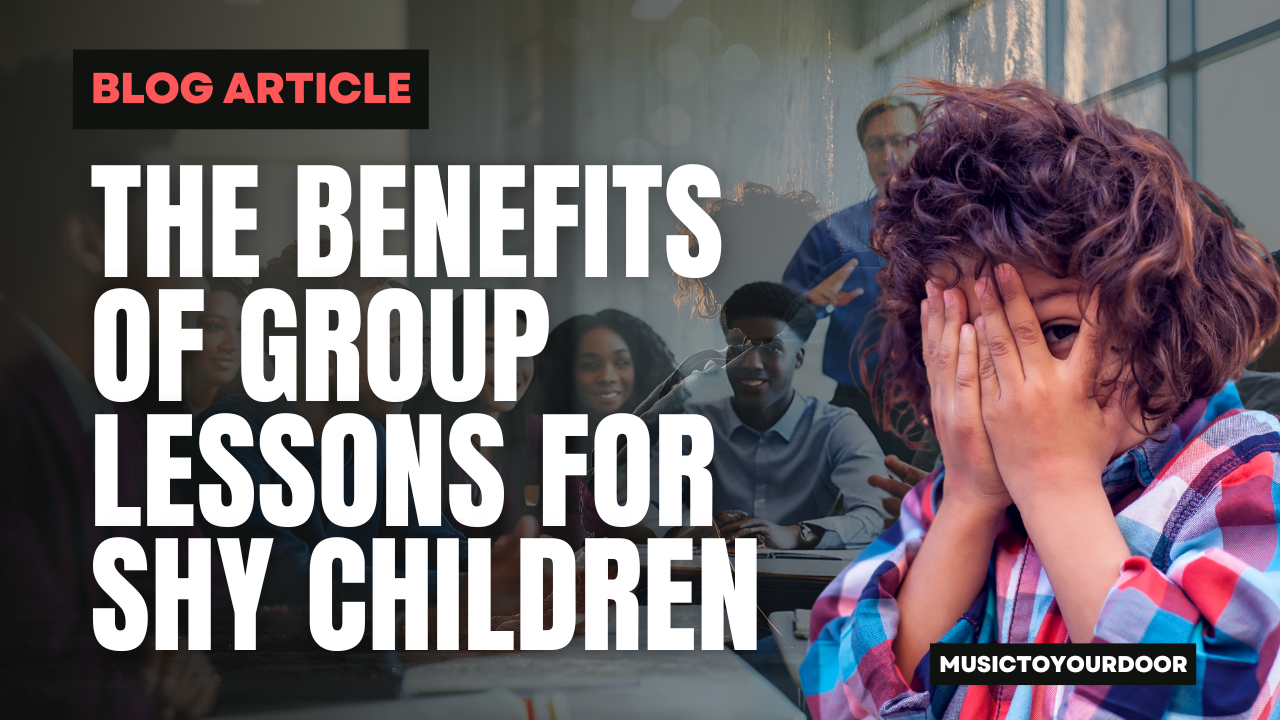
For many parents, watching a shy child struggle with confidence can be both heart-warming and worrying. You want them to express themselves, make friends, and find joy in learning—but their quiet nature can make participation challenging.
That’s where group lessons—especially in music—come in.
Group classes offer a comfortable space for shy children to socialise, grow in confidence, and learn new skills alongside supportive peers. In Australia, where community learning and collaboration are valued, group music lessons have become a wonderful way to help reserved kids shine.
Understanding Shyness in Young Musicians
What Being a “Shy Child” Means in a Musical Setting
Shyness isn’t simply about being quiet—it’s often about fear of judgment or drawing attention. In music lessons, this might show as reluctance to play in front of others or hesitation to join in group activities.
These children may have incredible potential but lack the confidence to express it fully.
Challenges Shy Children Face in Private Lessons
While private one-on-one lessons can provide focused attention, they sometimes heighten pressure. A shy student alone with a teacher may feel constantly “on the spot,” which can increase anxiety. Without peers to observe or learn alongside, the experience can feel intense rather than enjoyable.
Why Confidence and Peer Interaction Matter
Confidence in young musicians isn’t just about performing—it’s about self-expression and social connection. When shy children interact with others who share their interests, they often begin to relax, engage, and open up.
Group settings encourage teamwork, shared laughter, and small social victories that build lasting self-belief.
What Are Group Lessons & How Do They Differ from Private Tuition
Definition and Features of Group Music Lessons
Group lessons involve several students learning together under one instructor. These classes often include activities like ensemble playing, rhythm games, listening exercises, and collaborative performances.
They encourage kids to learn from peers, not just from a teacher.
Key Differences: Peer Learning and Reduced Pressure
Unlike private lessons, group sessions allow children to learn by observing others. Mistakes feel normal because everyone is learning together. For shy children, this shared environment makes participation less intimidating and far more enjoyable.
Cost-Effective and Socially Rewarding
For many Australian families, group lessons also provide a budget-friendly alternative to private tuition. Parents appreciate that their children not only learn music but also develop social and communication skills in the process. Plus, friendships formed in these classes often extend beyond the rehearsal room.
Top Benefits of Group Lessons for Shy Children
1. Boosting Social Confidence and Interaction Skills
Group lessons naturally encourage teamwork and communication. Through shared goals—like preparing for a recital or mastering a new song—children learn to speak up, listen, and support each other.
This social structure helps build confidence in shy children through music, a benefit that can spill over into school and home life.
2. Learning by Watching Peers
In a group, children observe how others approach new challenges. A shy student might notice how a friend handles mistakes or improvises—and realise it’s okay not to be perfect.
This peer-based learning creates a safe, encouraging atmosphere where growth feels collaborative rather than competitive.
3. Reducing Performance Anxiety
Performing alone can be daunting for any young musician, especially shy ones. Group lessons provide a buffer—the focus isn’t solely on one child. Playing or singing together distributes attention evenly, helping children feel less exposed and more at ease.
4. Building Enjoyment and Sense of Belonging
Shy children often struggle to connect in traditional classroom settings. Group music classes, however, revolve around shared enjoyment. Laughing during rhythm exercises or celebrating a successful group piece fosters a sense of belonging that’s vital for emotional well-being.
5. Developing Ensemble and Teamwork Skills
Group lessons teach cooperation, patience, and listening—essential skills for any musician. Whether it’s synchronising rhythm or harmonising in a choir, these experiences build social and musical confidence simultaneously.
Over time, shy children learn that their individual contribution strengthens the group as a whole.
Practical Tips for Parents Choosing Group Lessons
1. Look for the Right Class Environment
When researching group music classes for kids in Australia, consider the following:
-
Small class sizes (4–6 students) encourage participation without feeling crowded.
-
Instructors experienced with shy children who use gentle encouragement.
-
Positive group dynamics where cooperation is valued over competition.
2. Prepare Your Child for a Group Setting
Discuss what to expect before the first class. Emphasise the fun side of group learning—new friends, games, and shared songs. Visiting the studio beforehand can also ease anxiety. Some schools even allow “trial sessions” to help children adjust gradually.
3. Support Confidence at Home
Encourage your child to practise casually at home—perhaps perform for family members or record short clips for fun. Celebrate effort, not perfection.
When parents show interest and positivity, children feel supported and are more willing to engage confidently during lessons.
Real-Life Story: Emma’s Journey from Shy to Confident
Emma, a soft-spoken nine-year-old from Brisbane, always loved music but refused to sing during private lessons. Her parents enrolled her in a small group ukulele class, hoping she’d find comfort among peers.
At first, Emma stayed quiet. But after a few weeks of singing together and cheering for each other’s progress, her confidence soared. By the end of term, she volunteered for a group performance at her school assembly.
Now, she’s not only playing confidently but mentoring younger students—proof of how group lessons can transform shy children into self-assured musicians.
Final Thoughts: Helping Shy Children Shine
Every child deserves to feel seen and supported, especially those who are shy. Group lessons offer a safe, social, and uplifting environment where confidence can grow naturally.
By embracing peer learning and focusing on teamwork, group classes help children connect with others, enjoy their craft, and express themselves freely.
For Australian parents searching for ways to nurture both musical skill and self-esteem, group lessons are more than just a learning format—they’re a pathway to belonging and joy.
Frequently Asked Questions (FAQ)
1. Can a shy child still get individual attention in group lessons?
Yes. Quality instructors balance group activities with one-on-one feedback, ensuring every child feels valued and supported.
2. How long does it take to see improvements in confidence?
Most parents notice subtle changes within a few weeks—better eye contact, smiles, and willingness to participate. Full transformation takes consistency and patience.
3. What’s the ideal group size for a shy child?
Small to medium groups (4–6 students) work best. They’re intimate enough to feel safe but large enough to encourage interaction.
4. Are group lessons suitable for all instruments?
Absolutely. Piano, guitar, violin, and voice lessons all adapt well to group formats. Ensemble learning enhances rhythm, timing, and listening skills for any instrument.