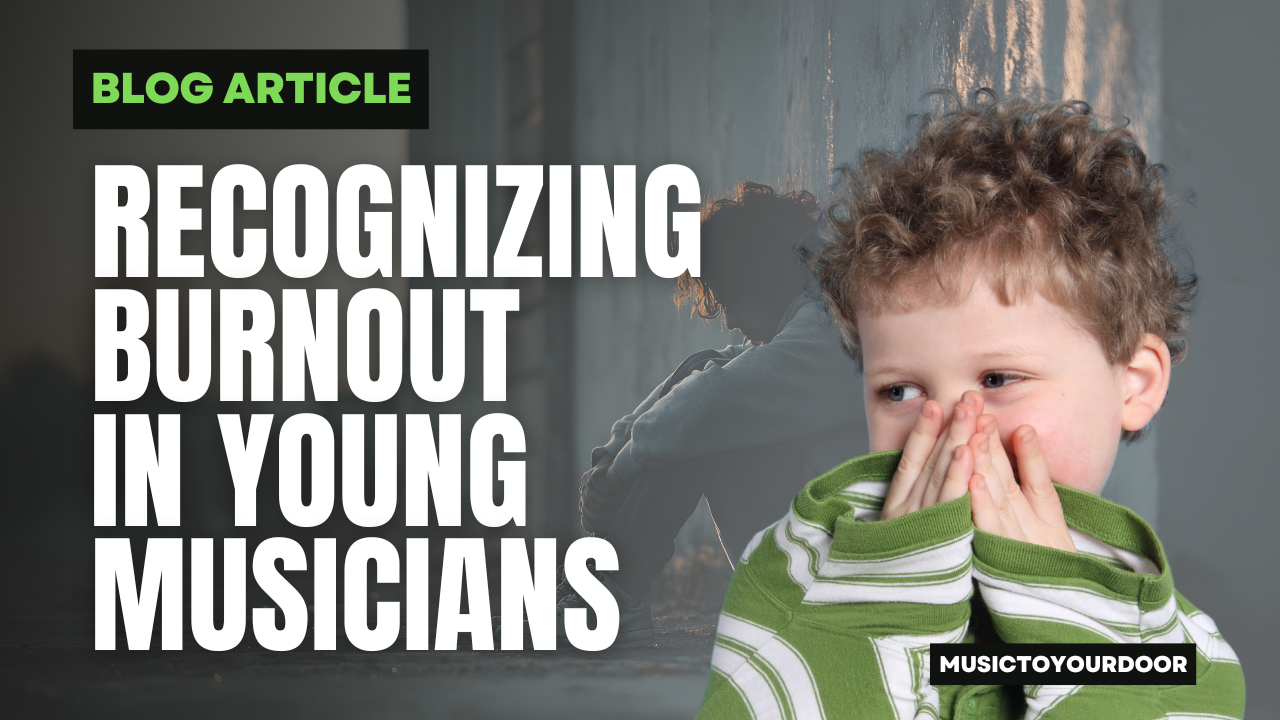
In the world of music, passion often fuels late-night practice sessions, relentless rehearsals, and the constant chase for perfection. But when enthusiasm turns into exhaustion, and motivation starts to fade, burnout could be quietly creeping in.
For young Australian musicians, juggling schoolwork, lessons, and performances can make it difficult to spot the early warning signs. This guide explores how to recognise burnout, understand its causes, and take practical steps to recover and thrive again.
What Is Burnout and Why It Matters for Young Musicians
Understanding Burnout in the Music World
Burnout is more than feeling tired after a long rehearsal. It’s a state of emotional, physical, and mental exhaustion caused by prolonged stress or overwork. For musicians, it can show up as frustration toward music, constant self-doubt, or feeling detached from something you once loved.
Unique Pressures Faced by Young Musicians in Australia
From Sydney’s conservatories to community orchestras in Melbourne, young musicians face unique challenges. Long practice hours, academic commitments, and competitive performance expectations can blur the line between passion and pressure.
Many students also juggle part-time jobs or deal with financial stress from instrument costs, travel, or tuition — all of which add to the mental load.
Burnout vs. Regular Fatigue
While regular fatigue improves with rest, burnout lingers. A good night’s sleep might ease tiredness, but burnout leaves you feeling emotionally drained and unmotivated — even after taking a break.
Common Signs and Symptoms of Burnout in Young Musicians
Emotional Indicators
One of the first warning signs of burnout is emotional exhaustion. You might feel detached, irritable, or even resentful toward music. Losing the joy of performing or practising is a strong emotional cue that something is wrong.
Physical and Behavioural Signs
Burnout can manifest physically through persistent tiredness, headaches, or muscle tension. Behaviourally, you may start cancelling lessons, skipping rehearsals, or isolating yourself from peers.
Some musicians may even turn to caffeine, alcohol, or other stimulants to “push through,” which can worsen the problem.
Performance-Related Symptoms
Young musicians experiencing burnout often notice declining performance. Concentration dips, mistakes increase, and practice sessions feel unproductive. You might feel like no amount of effort leads to improvement, reinforcing a cycle of frustration.
When to Worry
If you consistently dread practice, lose confidence, or feel hopeless about your musical future, it’s time to take burnout seriously. Teachers and parents should look out for these red flags — early recognition makes recovery much smoother.
Underlying Causes of Burnout in Music Students and Emerging Musicians
Excessive Practice and High Expectations
Music demands discipline, but over-practising without adequate rest can backfire. Hours spent rehearsing can lead to physical fatigue and mental strain, especially when progress feels slow.
Perfectionism and Competitive Culture
Australian music education often celebrates excellence — exams, eisteddfods, and auditions are common milestones. However, the pressure to outperform peers or meet unrealistic standards can foster perfectionism and self-criticism, key drivers of burnout.
Poor Work-Life Balance
Balancing school, gigs, and personal life can feel impossible. Without enough downtime, even the most passionate young musician risks running on empty.
Social isolation — particularly among dedicated practice-focused students — also limits emotional support networks.
Financial and Industry Stress
Emerging Australian musicians face unstable career paths and financial insecurity. Constant competition for gigs and scholarships can make young performers feel undervalued and anxious about the future.
Prevention Strategies: Staying Healthy as a Young Musician
Sustainable Practice Habits
Quality beats quantity. Short, focused sessions with breaks are more effective than long, draining marathons. Include warm-ups, cool-downs, and time to play purely for enjoyment — not assessment.
Self-Care Routines for Musicians
Just like athletes, musicians need holistic care. Prioritise sleep, balanced nutrition, and physical movement. Activities like yoga, swimming, or even walking help reduce muscle tension and improve breathing — essential for performers.
Building Mental Resilience
Mindfulness and journaling can help musicians manage stress and performance anxiety. Setting realistic goals and acknowledging small wins encourages a healthier mindset.
Peer groups, ensembles, and supportive mentors also provide emotional strength — remember, you don’t have to face burnout alone.
Role of Teachers, Parents, and Schools
Teachers and music schools play a crucial role in promoting balance. Encouraging open conversations about stress, providing flexible lesson structures, and acknowledging student limits helps create a culture of well-being, not overwork.
Recovery and Intervention: What To Do When Burnout Hits
Step One: Recognise and Pause
The hardest step is admitting you’re burnt out. Once you recognise it, take time off. It’s okay to step back — recovery doesn’t mean quitting music. Instead, it’s about rediscovering why you started playing in the first place.
Seek Professional and Community Support
Australia offers valuable mental health resources. Organisations like Support Act, Headspace, and Beyond Blue provide confidential help for young creatives. Some music schools also have in-house counsellors who understand the pressures of performance.
Create a Step-by-Step Recovery Plan
-
Rest: Give yourself permission to do less.
-
Reflect: Identify what led to burnout — schedule, pressure, perfectionism.
-
Reset: Reintroduce music slowly, starting with short sessions focused on enjoyment.
-
Re-engage: Join collaborative, low-pressure projects to reignite connection and purpose.
Recovery isn’t linear — but with patience and support, balance can be restored.
Case Study: Ella’s Journey Back to Balance
Ella, a 19-year-old violin student in Sydney, loved practising — until her days became a blur of rehearsals and exams. When she began dreading performances, she realised something was wrong.
With guidance from her tutor and a visit to a counsellor, Ella took a month off structured practice. She replaced strict routines with listening sessions, journaling, and casual jam sessions with friends.
Gradually, her love for music returned — not as a competition, but as creative expression. Ella’s story shows that recovery is possible when we listen to our minds and bodies.
Final Thoughts: Reclaiming Joy in Music
Recognising burnout in young musicians is not a sign of weakness — it’s an act of wisdom. Music should nourish the soul, not drain it. By adopting sustainable habits, nurturing mental health, and redefining success, young Australian musicians can rediscover their passion and continue making music that inspires others.
If you’re feeling stretched thin, take this as your sign to pause. Reflect, reset, and remember — the most powerful performances come from a place of balance.
Frequently Asked Questions (FAQ)
1. Is burnout inevitable for young musicians?
No. With good time management, self-care, and realistic goals, burnout can be avoided entirely.
2. How long does recovery from burnout take?
It varies — from weeks to months — depending on stress levels and support. The key is patience and consistent self-care.
3. Can I keep practising while recovering?
Yes, but focus on enjoyment over perfection. Light, creative sessions are better than intensive drills.
4. Who can I talk to if I think I’m burnt out?
Speak with a trusted teacher, parent, or counsellor. Australian services like Headspace and Support Act are great places to start.